Hades 2 Medea Guide: Build Lessons From a 40 Fear Run
Explore boon decisions and combat observations from a 40 Fear run focused on the Aspect of Medea, which was not the player’s highest-Fear attempt.
Jump to
What a Medea run can teach you
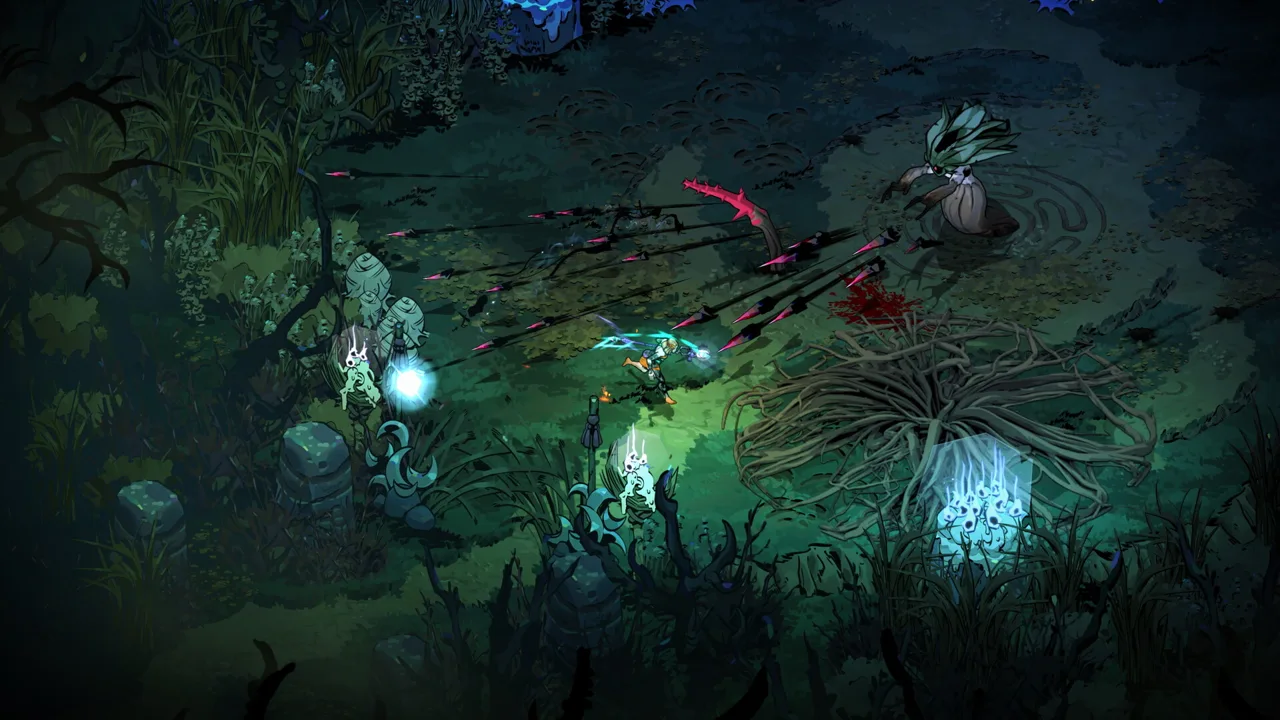
A high Fear run can show how a build changes as its available upgrades and boons take shape. In Hades 2, Medea offers a distinct run to study: a player’s 40 Fear run features Jeweled Palm and a series of decisions about attacks, resources, and combat. This Hades 2 Medea guide draws practical lessons from that player experience without presenting one run as a guaranteed recipe.
The video focuses on the Aspect of Medea. The player notes that the aspect’s movement and sliding are part of what makes it enjoyable for them, and describes the run as fun. They also explain that the run was not their highest-Fear attempt with the weapon or aspect. They chose a 40 Fear setup without several modifiers they thought would hurt the run’s pacing, and mentioned that having health available could be useful at higher Fear.
| Run detail | What the player reported |
|---|---|
| Weapon aspect | Aspect of Medea |
| Fear level | 40 Fear |
| Keepsake mentioned for the run | Jeweled Palm |
| Run setup | The player avoided modifiers they expected to slow the run’s pacing. |
For the full player experience, see the Hades 2 Aspect of Medea 40 Fear run.
This video is a single player’s account, so its choices are examples rather than universal ratings of Medea’s upgrades or boons. A useful way to read the run is to look at the decisions the player explains: which options they wanted, what they accepted instead, and how their view of a choice depended on the build taking shape. Those details can help you think through your own options without assuming the same ones will appear.
The player also discusses the Aspect of Medea as a melee-focused aspect. They describe one boss as awkward for it because the enemy was difficult to hit with the special. That is a specific combat observation from the video, not a claim that the aspect struggles against every boss. For your own Hades 2 Medea run, it can be useful to notice when an enemy’s behavior limits one part of your kit and consider other attacks or boons you already have.
Build choices: start with what your run actually offers
A build plan is useful, but the Hades 2 Medea player’s run shows why it helps to stay flexible. The commentary describes a desired cast boon not appearing when the player looked for it, and the player later accepted a special boon they had not initially wanted. These moments illustrate a practical point: a planned build has to respond to the choices the game presents.
 Image: Steam / Supergiant Games
The player weighs several options in context. For example, they consider a Chaos reward that would add attack damage, but judge the increase less appealing because the Aspect of Medea already gives a substantial attack bonus. They also note that a Chaos reward offering healing per chamber could be useful at high Fear. Their reasoning changes with the rest of the setup, so a good approach is to compare an offered benefit with what your current build already provides.
| Decision point | Player experience | Useful takeaway |
|---|---|---|
| Cast boon | The player looked for a cast boon but did not get the one they wanted. | Keep an alternate plan in mind if a desired option does not appear. |
| Special boon | The player accepted a special boon they had initially hoped to avoid. | Reassess an option when the available choices change. |
| Chaos reward | The player considered healing per chamber and an attack increase alongside the aspect’s existing attack bonus. | Compare a reward with the benefits your build already has. |
| Boon swap risk | The player checked which boons might be replaced before taking another boon. | Review possible swaps if losing a boon would disrupt your plan. |
The video also includes a discussion of Support Fire and critical chance. The player says they value critical chance highly and argues that Support Fire can be a less useful choice in some situations because its damage is limited and it competes with critical-related boons. They also qualify their criticism: calling a boon “bad” can mean that other options are stronger in a particular situation, rather than that the boon is always bad. This is player experience and commentary, not a universal ranking.
For Hades 2 Medea players comparing those options, the practical question is how each boon contributes to the build at hand. The player points to limits they associate with Support Fire, including the small number of arrows that can be active at once and its damage not being something they could stack. They contrast that with Static Shock, which they describe as applying damage repeatedly while hitting an enemy. Treat these as the player’s explanation of the options, and consider how well a boon fits the attacks you are using.
The player also mentions Cut Above as a critical-related boon and calls out a 20% critical chance after improving Grievous Blow. That number describes the specific boon choice discussed in the video; it is not a general stat for the Aspect of Medea. In an Hades 2 Medea build, examples like this are useful for tracking what a particular option contributes, while keeping its value tied to the build and run where it appeared.
Think through resources and upgrade interactions
The commentary repeatedly weighs whether to take an option based on what it might cost or change. At one point, the player considers a boon that could force a swap and checks which existing boons could be affected. They say the game shows what can and cannot be offered, while acknowledging that the available choices can still make a decision inconvenient. This suggests a simple tip: before taking a boon, inspect the possible swaps if keeping a specific boon matters to your plan.
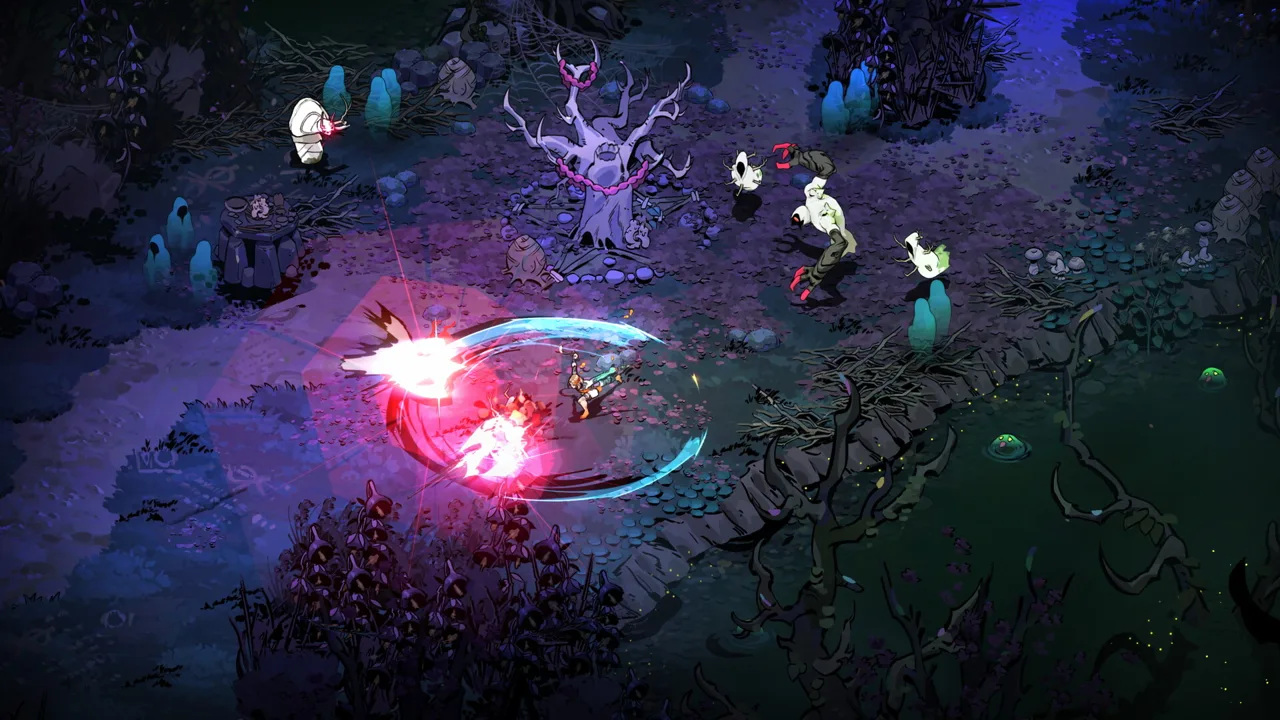 Image: Steam / Supergiant Games
The player also talks about magic and a possible second hammer choice. They consider whether more maximum magic would be useful if a later hammer offered Possessor Ray, and say that the decision depends on what the hammer provides. This is conditional reasoning, not a universal instruction to prioritize maximum magic. A good approach is to connect resource choices to a specific upgrade or action you are considering, rather than treating every increase as automatically valuable.
| Resource or upgrade question | What the player considered | Planning prompt |
|---|---|---|
| Maximum magic | The player weighed it against the possibility of a second hammer offering Possessor Ray. | Does an upgrade you are considering make additional magic useful? |
| Boon replacement | The player checked whether a new boon could require replacing one they wanted to keep. | Which current boon would you be reluctant to lose? |
| Chaos reward | The player considered healing per chamber and an attack increase. | Which benefit addresses a need in your current run? |
| Available currency | The player weighed whether to spend money on options during the run. | Is the purchase useful for the build you have now? |
The video includes other resource decisions that depend on the run’s circumstances. The player passes on some options, discusses whether more boons are desirable, and considers whether a reward is worth its cost. They do not offer a fixed budget or a general spending rule. For a Hades 2 Medea run, use those moments as a reminder to evaluate a purchase by its actual effect on your current build and the resources you still need.
The player also explains that some effects do not work the way they might expect with Possessor Ray. They say Seleni does not charge the Hex when used with it, and distinguish losing magic from spending it. Because the transcript offers this interaction as a specific detail, it is safest to treat it as a consideration for the described setup, rather than assuming it applies to every upgrade or Hex. If an interaction is important to your plan, pay attention to what the game and your current run show.
Adapt your combat plan to the enemy
The Hades 2 Medea player’s commentary makes clear that the same attack pattern did not fit every enemy. They describe one boss as awkward for the Aspect of Medea because the special was difficult to land. That observation points to a practical tip: if a target is hard to hit with your preferred attack, look for another part of your build that can contribute.
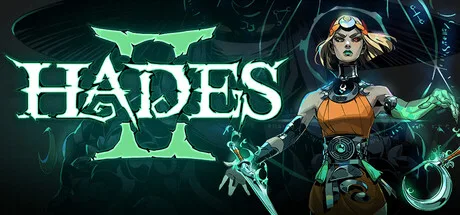 Image: Steam / Supergiant Games
The player also describes responding to crowded encounters by moving carefully and trying to clear enemies around them. They mention using a cast and watching for an opening rather than spending magic when they expected it to be primed. These are situational choices from the video. They do not amount to a complete guide for a particular boss, but they show how the player adjusted their actions based on what was happening on screen.
| Combat situation described in the video | Player’s response | Practical tip |
|---|---|---|
| A boss was difficult to hit with the special | The player called the encounter awkward for the aspect. | Be ready to use other parts of your build when a target limits your preferred attack. |
| The arena became crowded | The player tried to handle nearby enemies and moved around the area. | Keep track of the surrounding enemies as well as your main target. |
| Magic was primed | The player avoided an Omega action because it would prime the magic they spent. | Consider the resource effect of an action before using it. |
| The player was choosing among routes and rewards | They weighed options such as a hammer, currency, and other rewards. | Let the needs of your current build guide which option you pursue. |
Enemy behavior also affects when an attack can connect. The player remarks that one target was difficult to reach with the special, while discussing another moment where there was too much activity on screen. These descriptions make a useful distinction: a boon or attack can be appealing in general and still be hard to use in a particular encounter. For Hades 2 Medea, a good approach is to notice whether the enemy gives you a clear opportunity to use the attack you have built around.
The player’s closing remarks return to why they like using this aspect: they enjoy its movement and sliding, and call the run fun. That is personal player experience, not a promise about how every run will feel. You can still take the practical lesson from the video: make decisions based on the aspect, the options you actually find, and the enemy in front of you.
FAQ
What does the Hades 2 Medea video cover?
It follows a player’s Aspect of Medea run at 40 Fear with Jeweled Palm. The commentary discusses boons, critical chance, resource choices, and adapting to enemies.
Which keepsake does the player mention?
The player says Jeweled Palm was equipped for the run. The video does not establish a general keepsake recommendation for the aspect.
What does the player say about Support Fire?
They discuss its limits and compare it with critical-related options, while clarifying that their criticism depends on the alternatives available. This is the player’s view, not a universal rating.
What is a practical lesson from this Hades 2 Medea run?
Stay flexible as options appear. The player considers boon effects, possible swaps, resources, and enemy behavior in the context of the run they have.
Continue with
 Hades 2 Melinoe: What Circe’s Size-Changing Boons Really DoSee how Circe’s Greater Girth and Smaller Stature boons change Melinoë’s stats, appearance, voice, and interactions in Hades 2. Includes tables and an FAQ.
More in Characters
Hades 2 Dionysus: His Feast and Talks With Melinoë
Follow Melinoë’s visit to Dionysus’s feast as she asks why he is celebrating during a war and tells him about threats to his family and home.
Hades 2 Hera: Hitch, Boons, and a Legendary Run Build
Explore Hera’s Hitch, Legendary prerequisites, Extended Family, and boon choices through a player’s 16 Fear run with the staff’s Aspect of Momus.
Hades 2 Nemesis: Character Guide to Her Rivalry with Melinoë
Explore Nemesis’s duties and conversations with Melinoë, including her view that defeating the Titan matters and her wish to face Kronos herself.
Join the community
Official channels for news, updates and player help: